HealthTech · AI Product Design · Human-Centered AI
Health.ai: designing a human-centered AI health companion
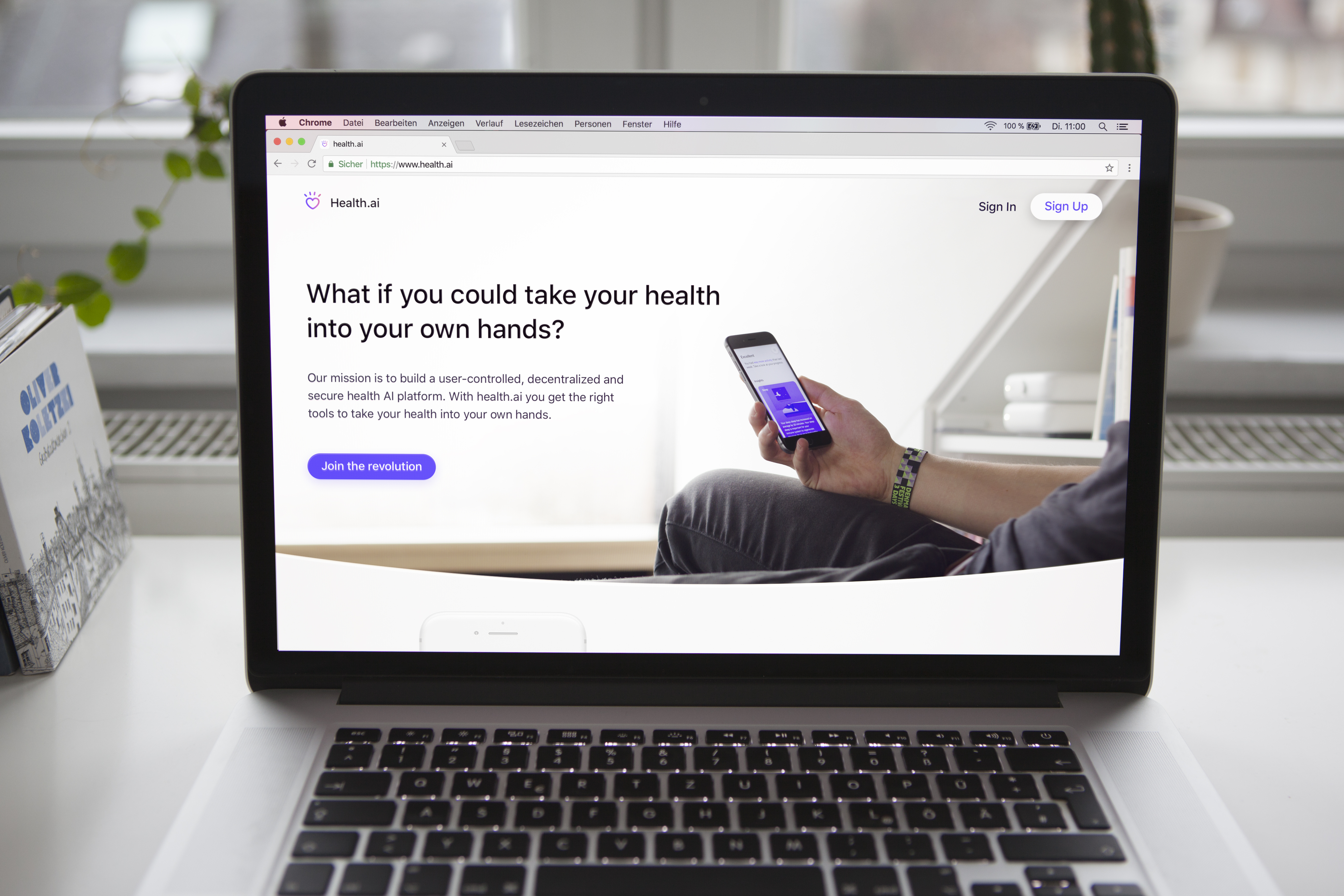
Health.ai explores how AI, wearable data and digital health records could help people understand long-term health risks without being reduced to data points, overwhelmed by medical complexity or pushed away from human care.
The challenge
Health data can help people detect risks earlier and make better decisions. But more data does not automatically create better health. If insights are too complex, too frequent or too certain, they can create anxiety, mistrust or the feeling of being controlled by a system.
Core challenge
How might an AI-supported health product communicate risk carefully while keeping people informed, calm and in control?
From prevention to autonomy
The project started with a preventive health question: how can individual monitoring help people act before symptoms become severe? Through research and synthesis, the framing evolved into a broader product question about how people should interact with health data in the future.
That shift changed the work from a monitoring concept into a human-centered AI system about trust, agency, privacy and understandable decision-making.
Reframed question
How will people interact with their health data in the future to live self-determined and healthy lives?
Research synthesis
To understand how people might interact with personal health data, we combined patient interviews, expert interviews and desk research on Quantified Self, self-measurement, prevention and health data privacy. Back pain served as an exemplary health context, while the broader research question focused on trust, agency and understandable AI-supported health decisions.
Health is not only data
Patient interviews around back pain showed that health is experienced through symptoms, routines, uncertainty and personal context. A useful health product cannot rely on sensor values alone.
AI needs restraint
Expert interviews made clear that health predictions need careful framing. AI can support interpretation, but the product must communicate uncertainty, avoid false certainty and keep medical judgment human.
Trust is structural
Research on Quantified Self showed that trust depends on control, transparency and access logic. Users need to understand where their data lives, who can access it and why the system recommends a next step.
Scenario: Connected Health
Because the project explored a near-future health system, we used scenario design to compare possible directions for privacy, diagnostics, health literacy, AI and the role of doctors. The chosen scenario, Connected Health, balanced innovation with user control.
Medical data becomes more connected across devices, records and home testing.
AI helps interpret long-term developments instead of replacing medical judgment.
Users keep control over data access, permissions and decisions.
Product ecosystem
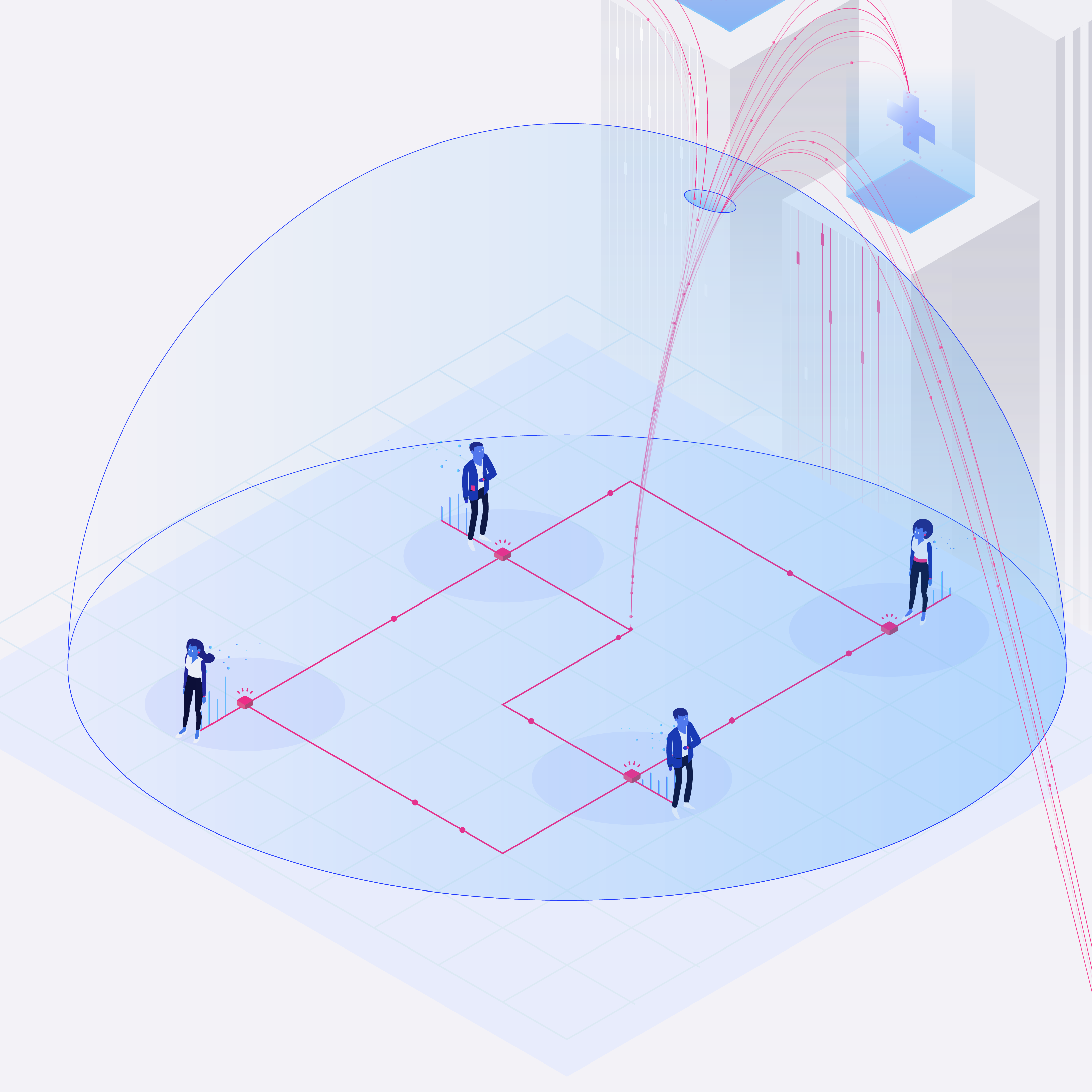
The final concept became an ecosystem rather than a single app. That was important because the user experience of health AI depends on data storage, permissions, medical context, input quality and the way insights are communicated.
Health Companion
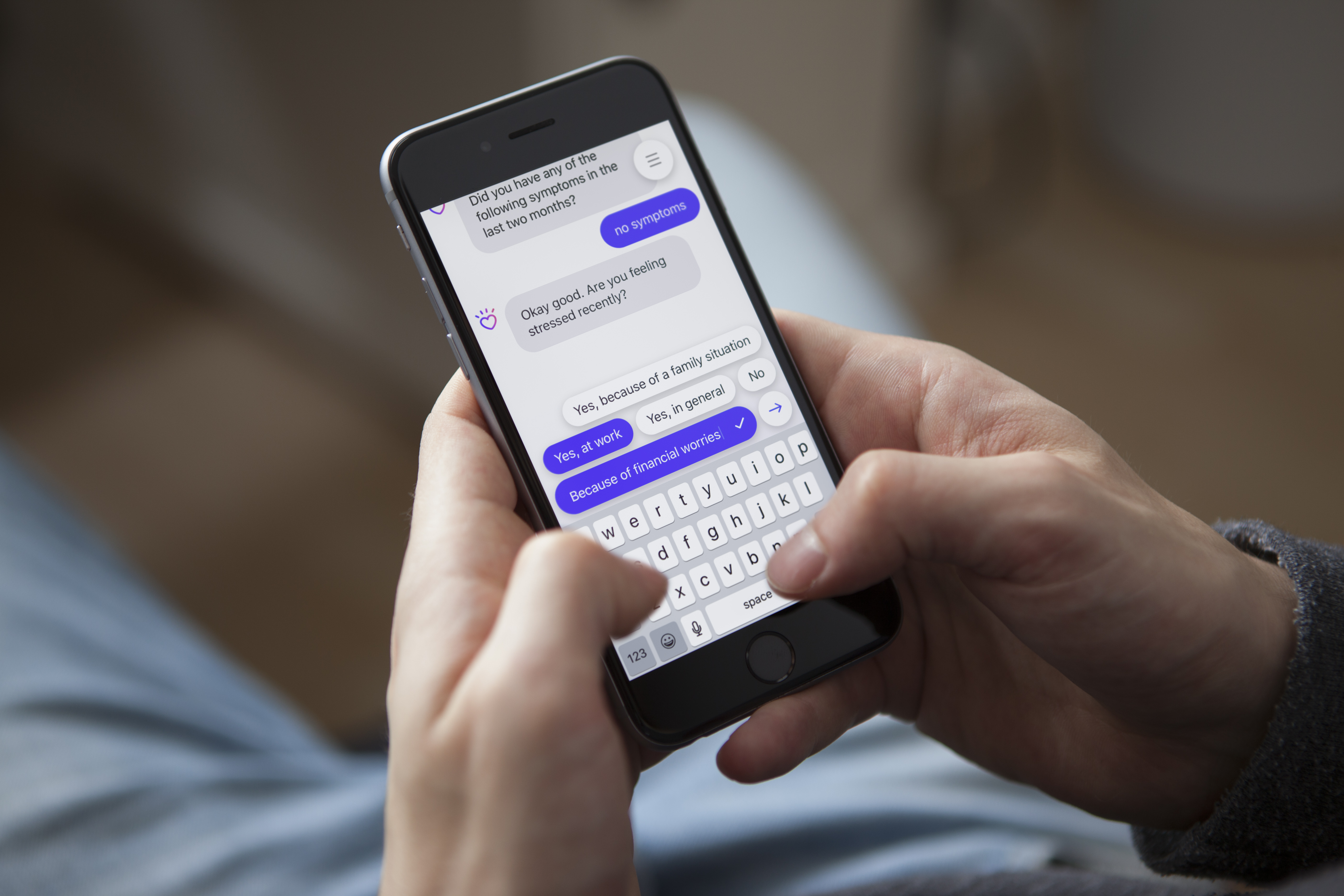
A conversational UI that asks follow-up questions and explains risk reports.
Health Profile
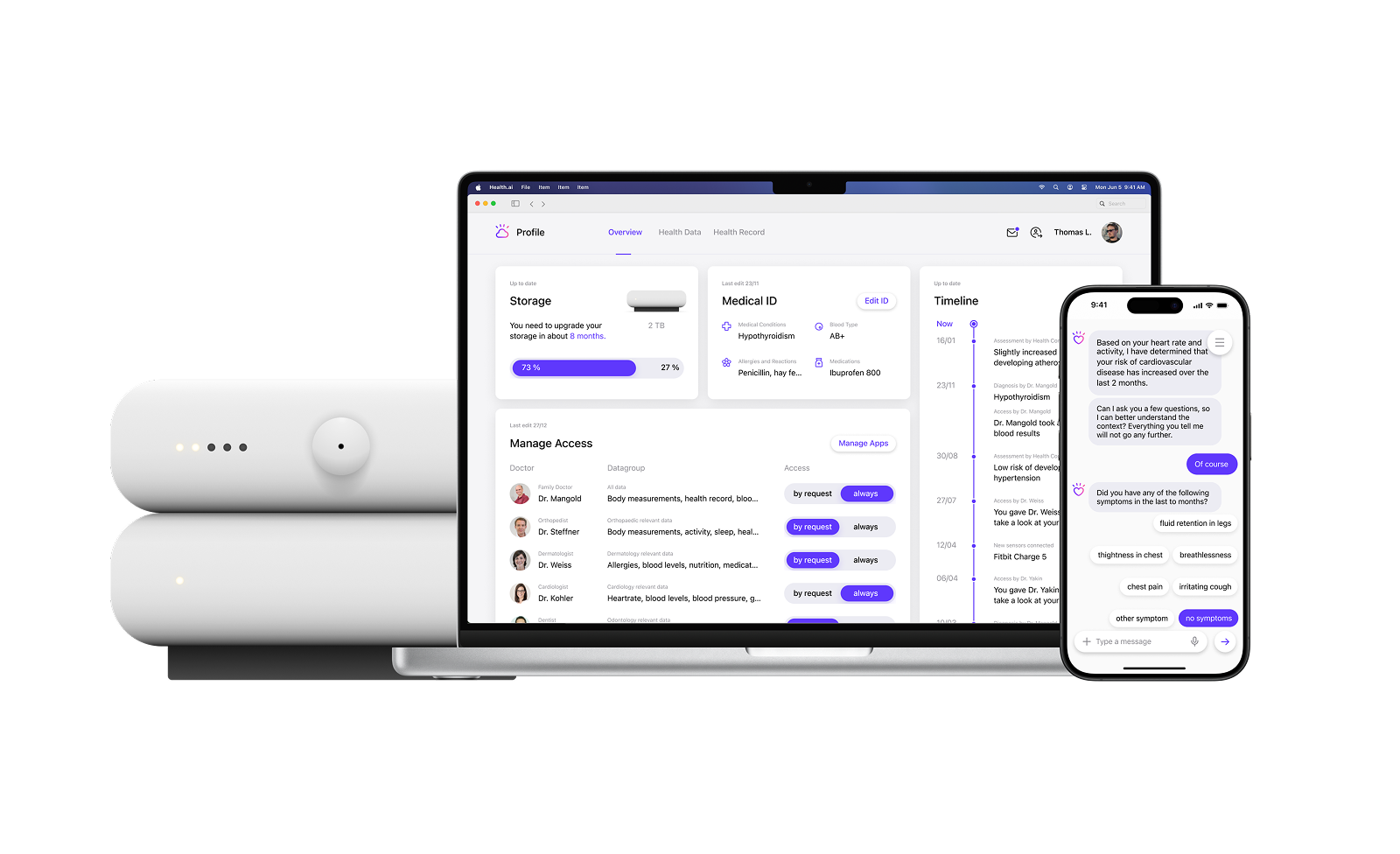
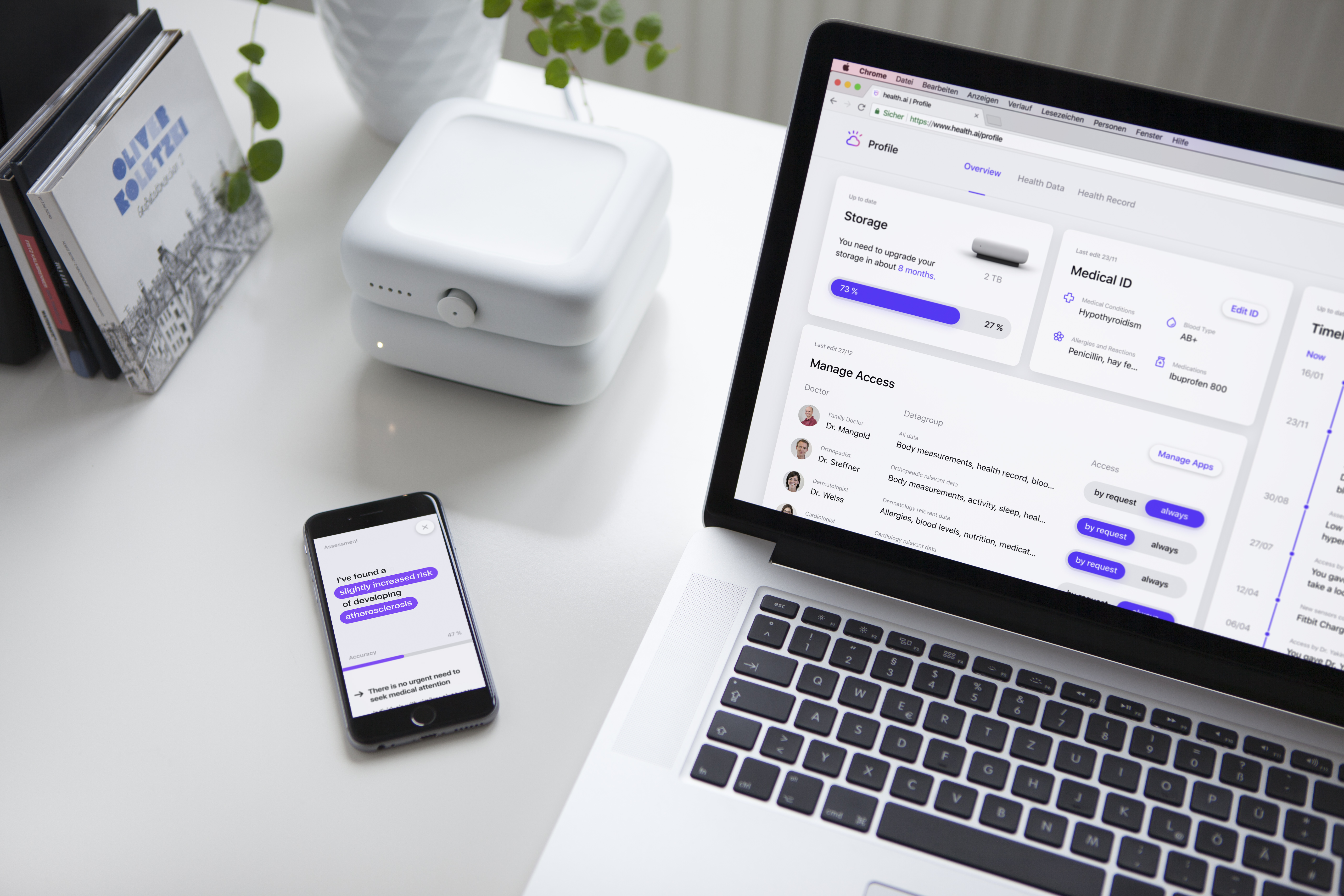
A web platform for managing health data, doctors, apps, records and access rights.
Home Cloud
A user-controlled storage layer for sensitive personal health data.
Home Lab
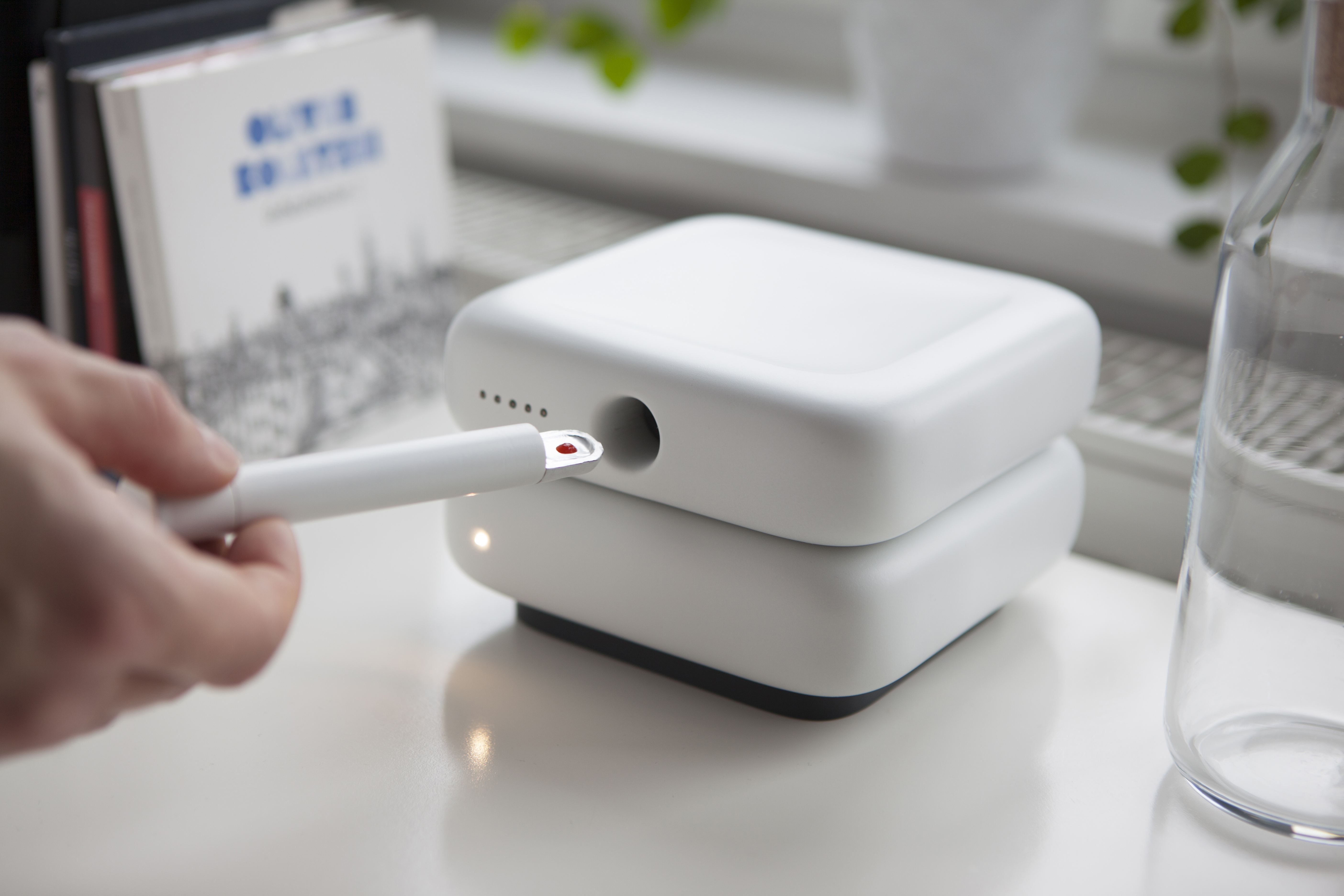
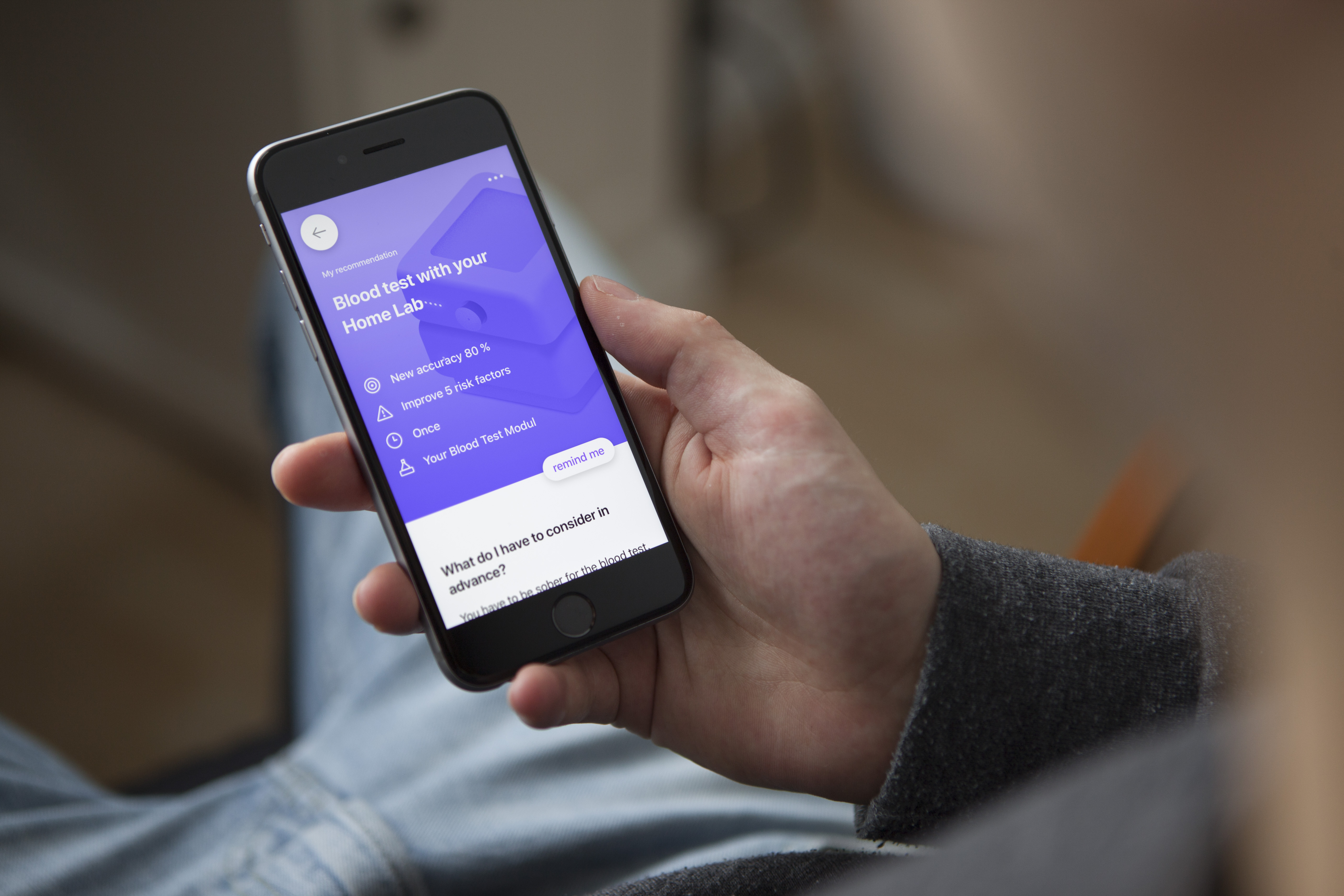
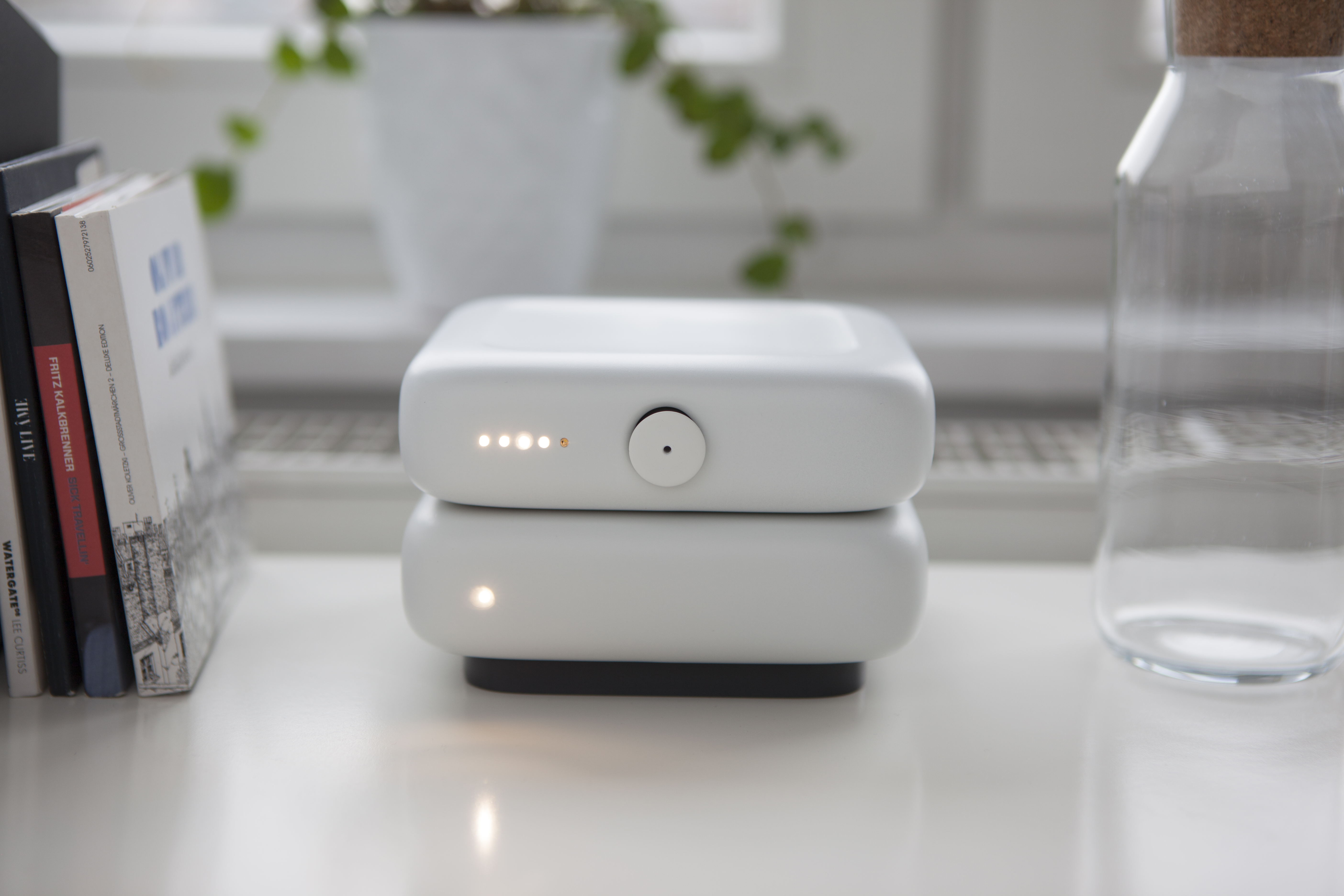
A modular home testing device for selected health values.
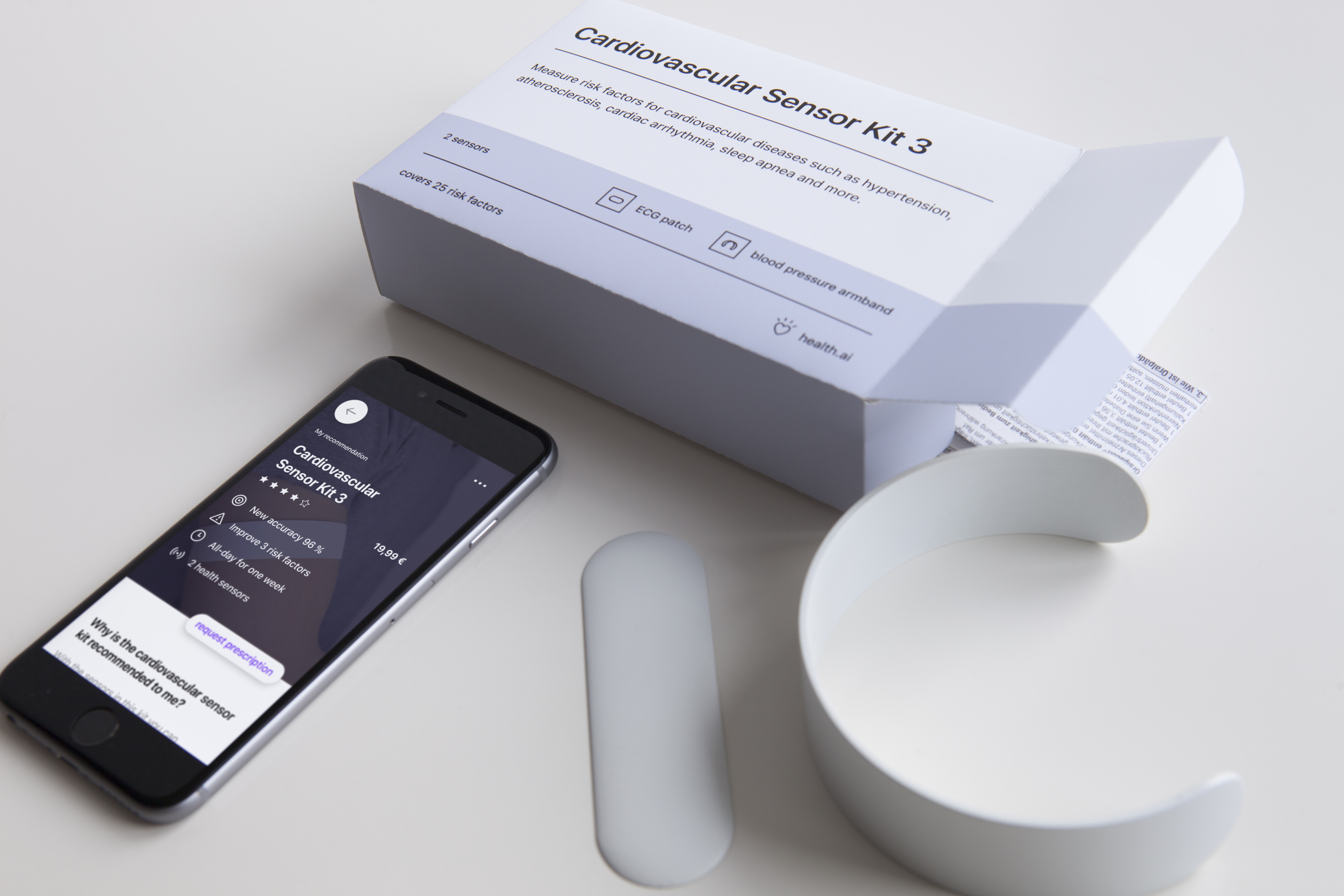
Sensor Kit
Disease-specific sensors used for a limited time to improve risk assessment.
MVP: classic UI vs. conversational UI
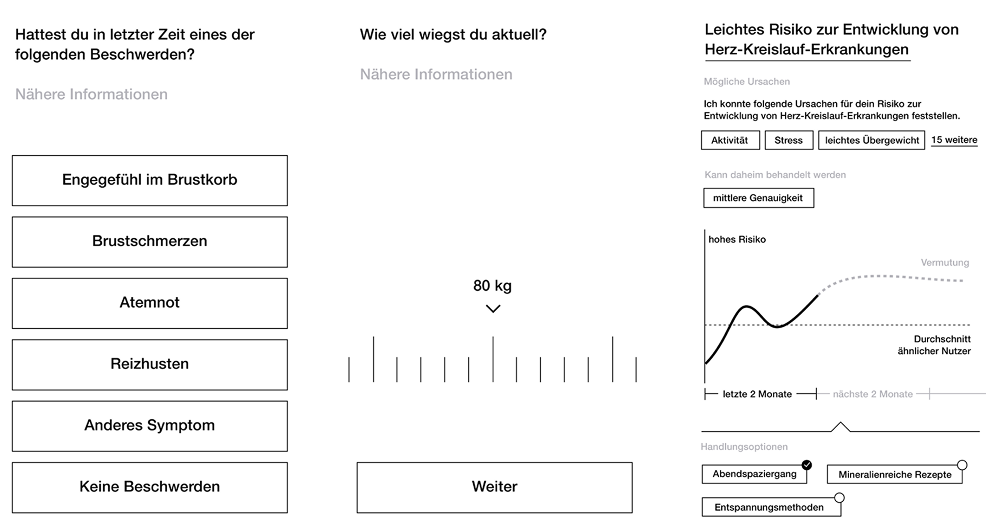
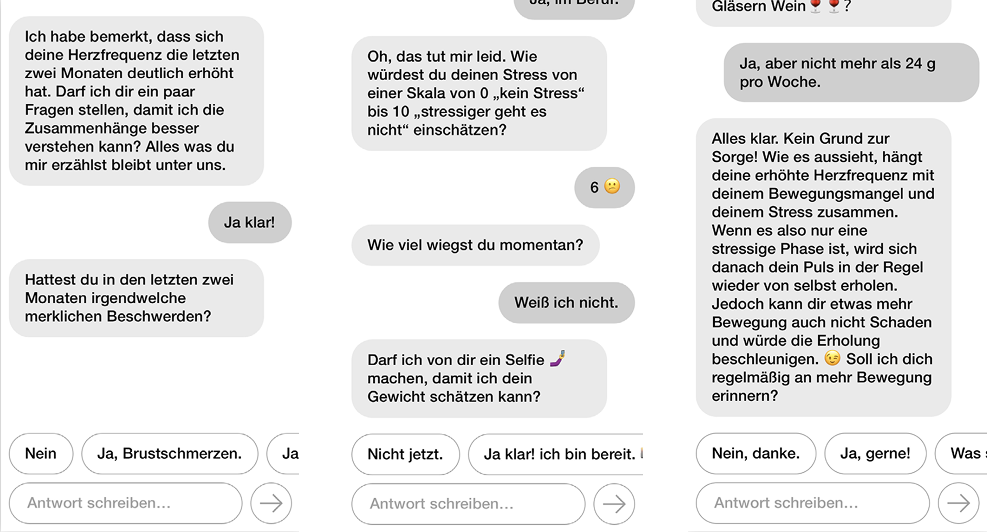
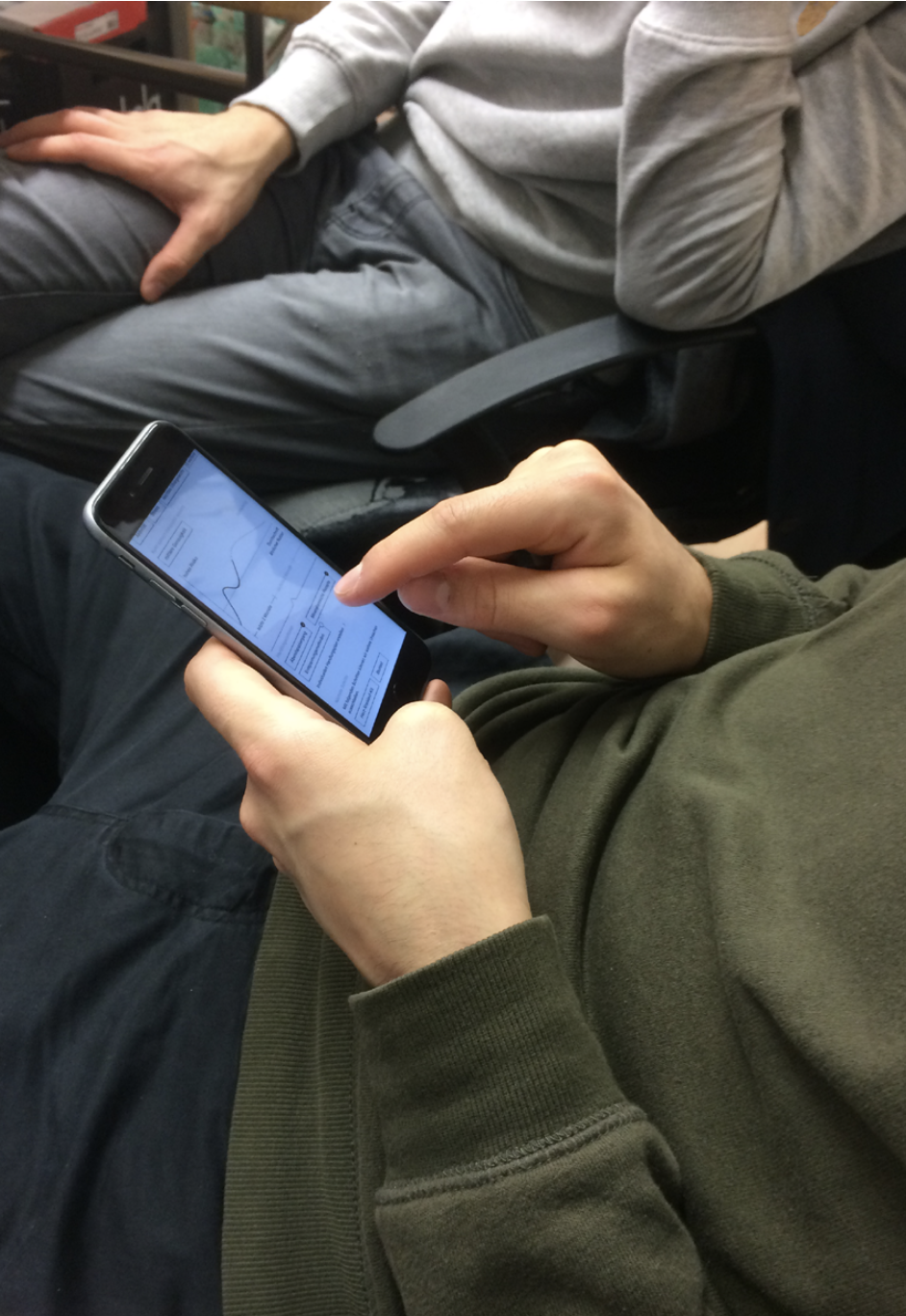
We built two clickable MVPs to test the core interaction: one classic interface with visualized health data and one conversational UI. Atherosclerosis was used as one example for the MVP because it can develop silently over time and demonstrates the value of long-term data, subjective answers and additional sensor input.
The goal was not to design a single-disease product. The MVP helped test how an AI health companion should ask questions, explain risk and invite action across sensitive health contexts.
Insight
The strongest direction was not chat or dashboard. It was a combination: conversational input for sensitive questions, paired with a structured report for explanation and decisions.
What testing changed
- Users preferred conversational questions for anamnesis-like input, but wanted a clear structured report afterwards.
- The risk graph was often perceived as confusing or unnecessary, so the final concept deprioritized raw charts.
- Users wanted to understand causes and contributing factors, not only see a risk score.
- Wireframes alone were not enough to communicate safety and trust in a health product.
- The final design became lighter, calmer and more careful in wording.
Final Health Companion UX
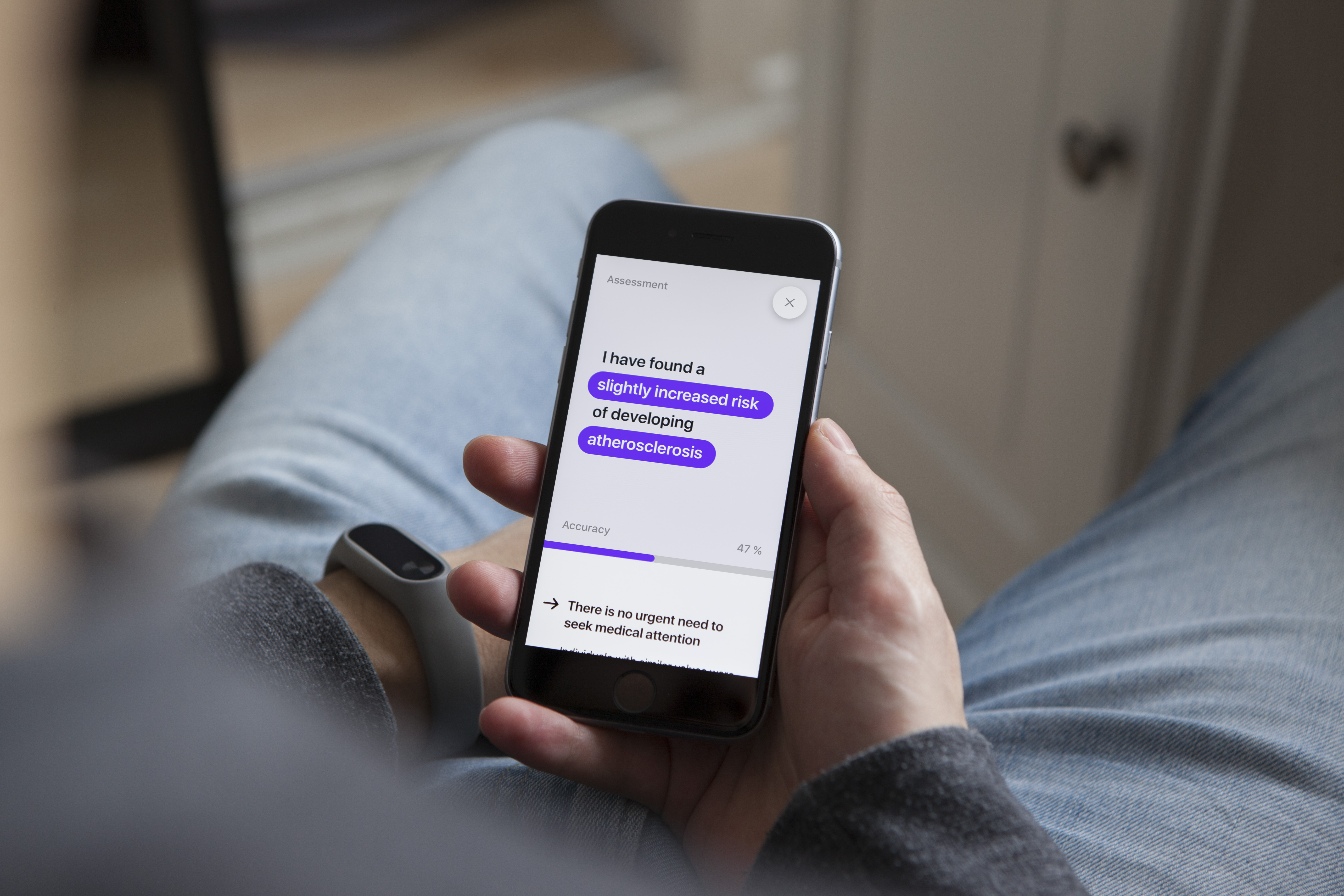
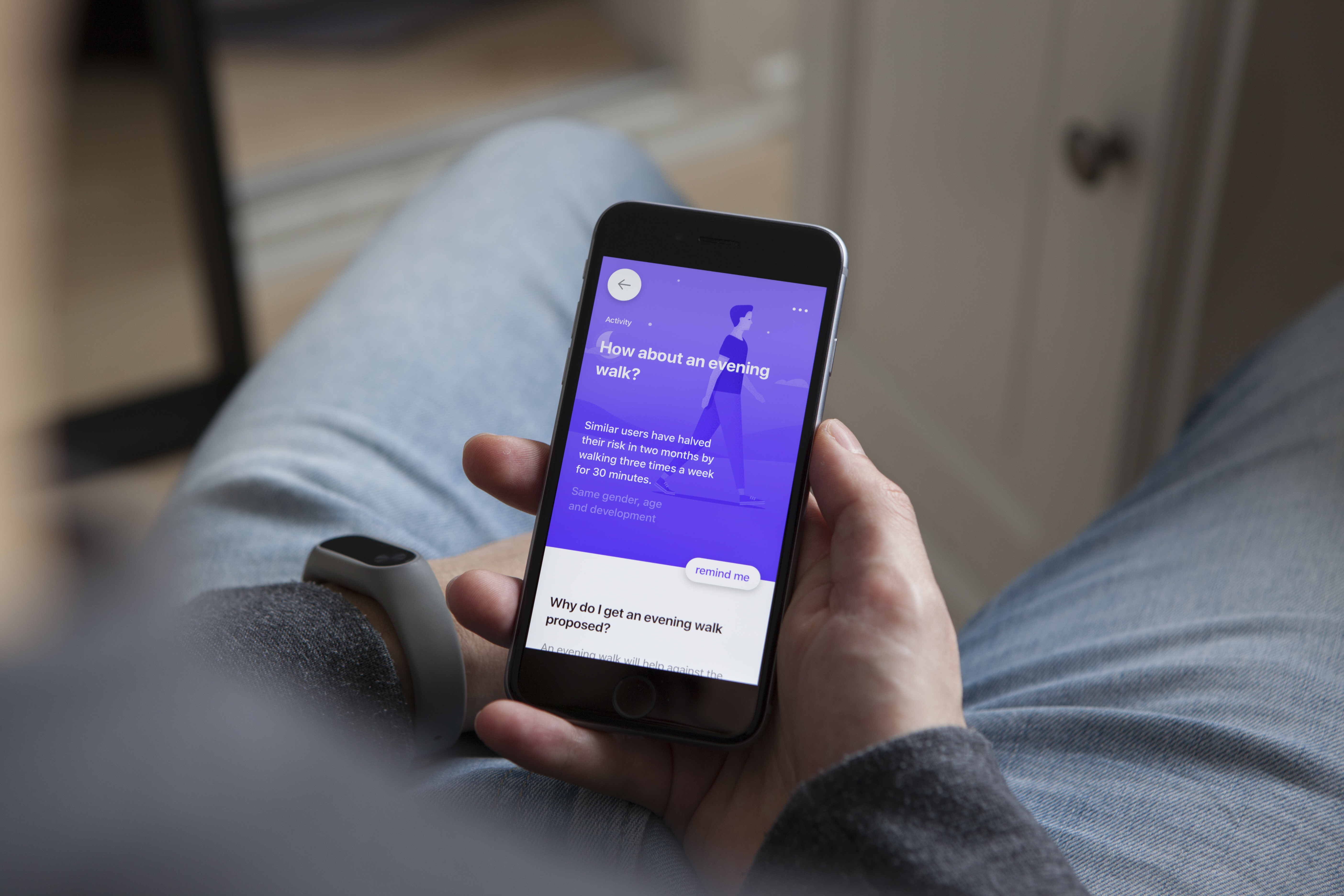
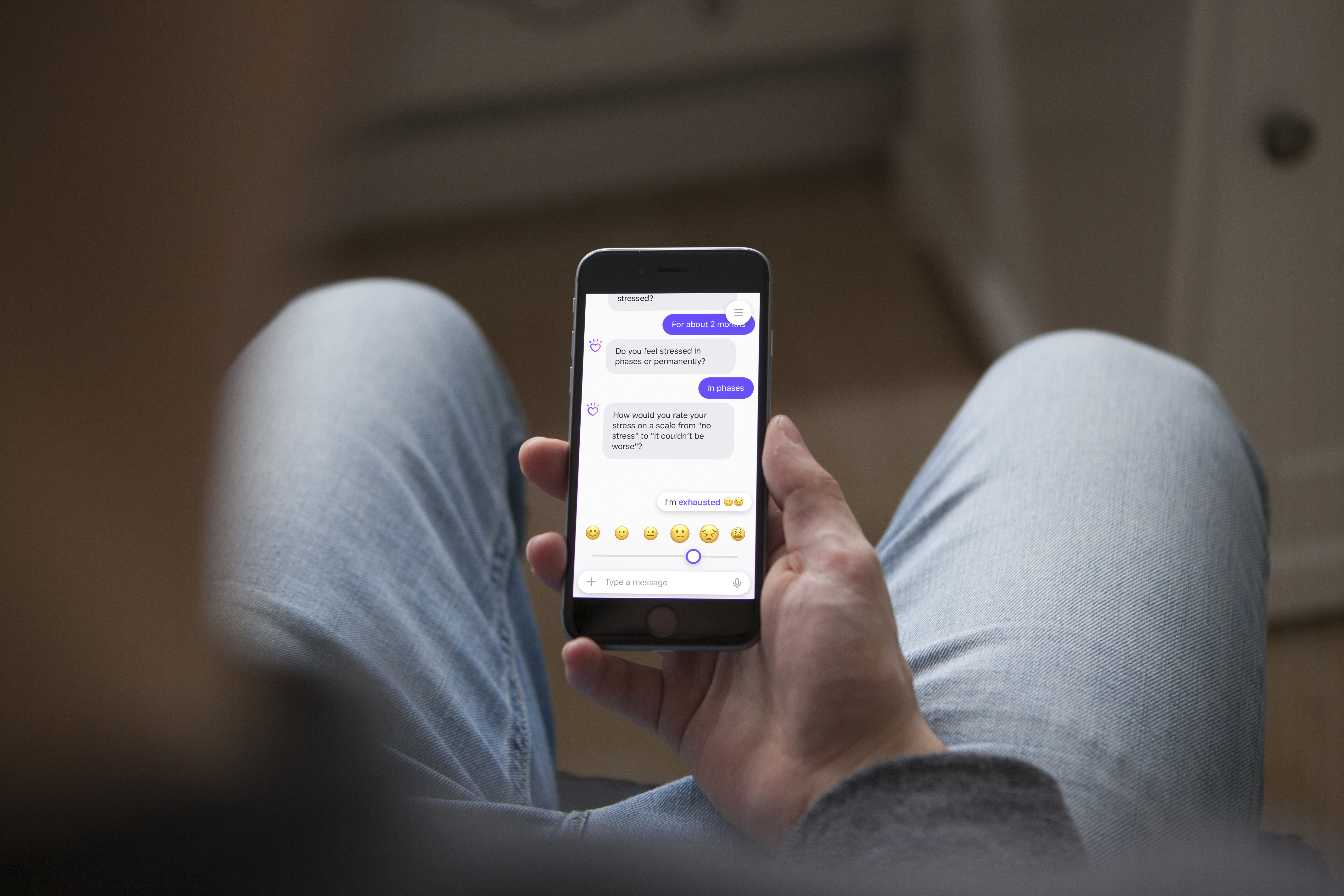
The Health Companion acts as the interface between people and their health data. It detects meaningful long-term developments, asks contextual follow-up questions and creates a report that explains possible risk, urgency, accuracy and contributing factors.
The system notices a relevant long-term development.
The Companion asks careful follow-up questions instead of immediately alarming the user.
A report translates sensor data and answers into risk factors, uncertainty and next steps.

Core product decisions
No constant warnings
Notifications appear only for meaningful developments, because health products should not create everyday fear.
Risk factors over raw values
The report translates complexity instead of asking users to interpret isolated medical data.
Options instead of commands
The system suggests several possible actions and keeps medical decisions human.
Health Profile and physical touchpoints
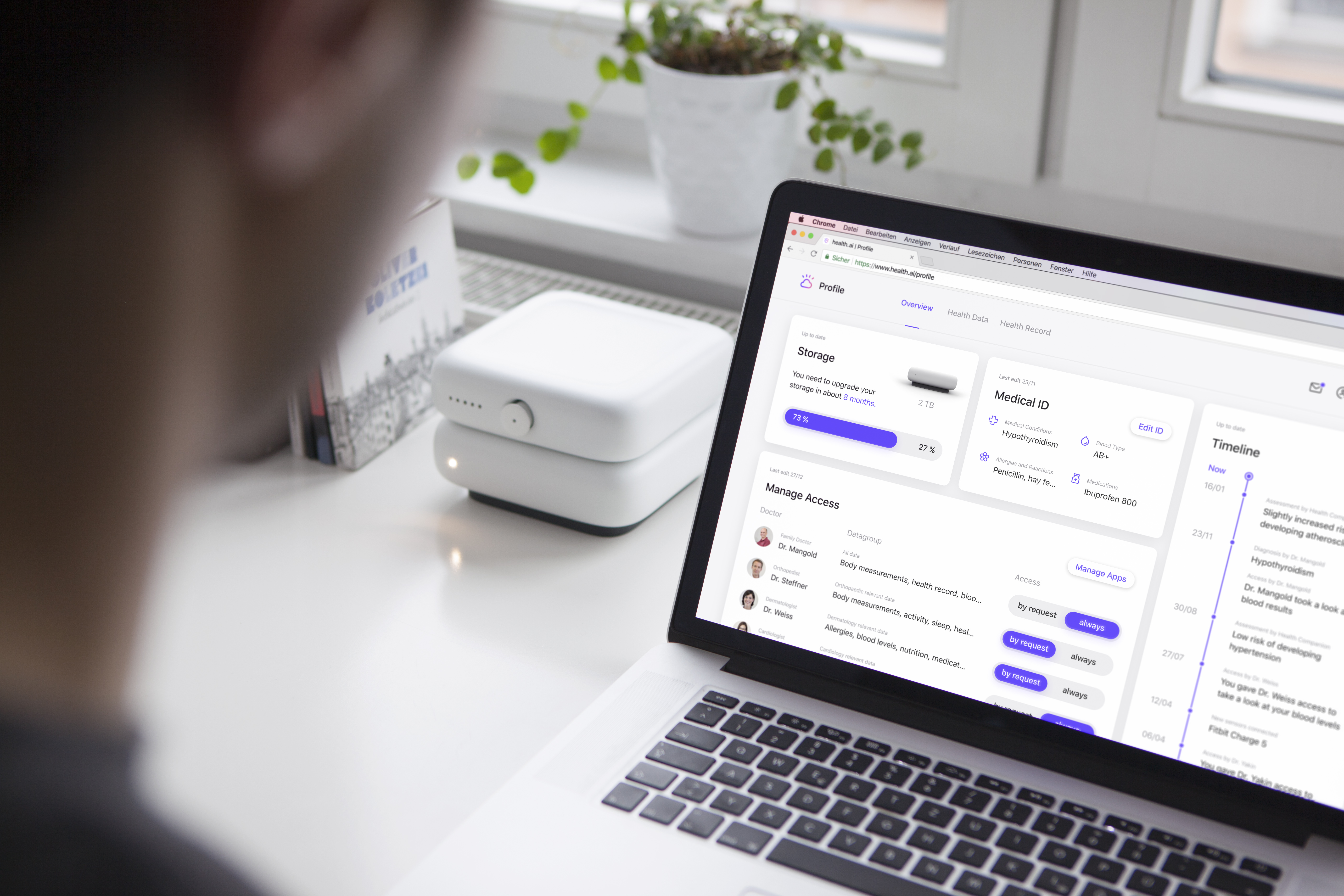
The Health Profile gives users an administrative control center for data, doctors, apps, access rights and records. It makes governance part of the experience rather than a hidden technical layer.
The Home Lab, storage device and Sensor Kit made the scenario tangible. They showed how digital health interactions could connect to home testing and temporary medical sensors without over-designing speculative technology.
What this project says about how I work
I simplify complexity carefully
The project turns medical data, AI and privacy into understandable product decisions without pretending the topic is simple.
I test interaction models
The MVP comparison helped choose the right mix of conversation, structure and explanation.
I design AI with responsibility
The concept focuses on autonomy, uncertainty, privacy and the relationship between patients and doctors.
Interested in the process behind this project?
I'm happy to share more details about the research, MVP prototypes, testing insights, product ecosystem and visual design decisions in an interview.
Get in touch